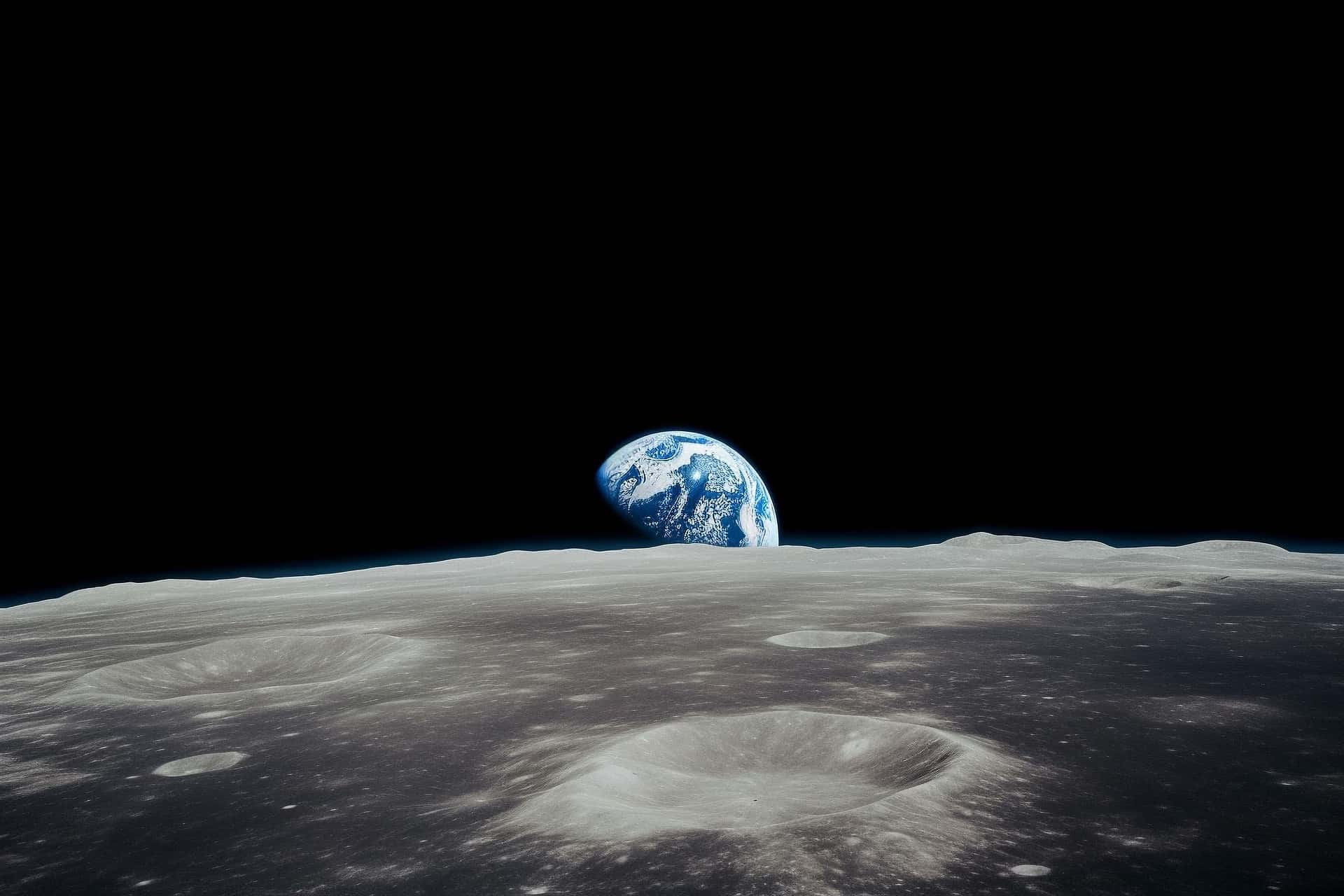
Giovanni Riccioli laid out the modern scheme in 1651, naming craters after philosophers and astronomers and christening the dark plains as seas. It was a beautiful system, and it was built for a Moon seen through a small refractor. Riccioli could resolve a few hundred features. He named what he could see.
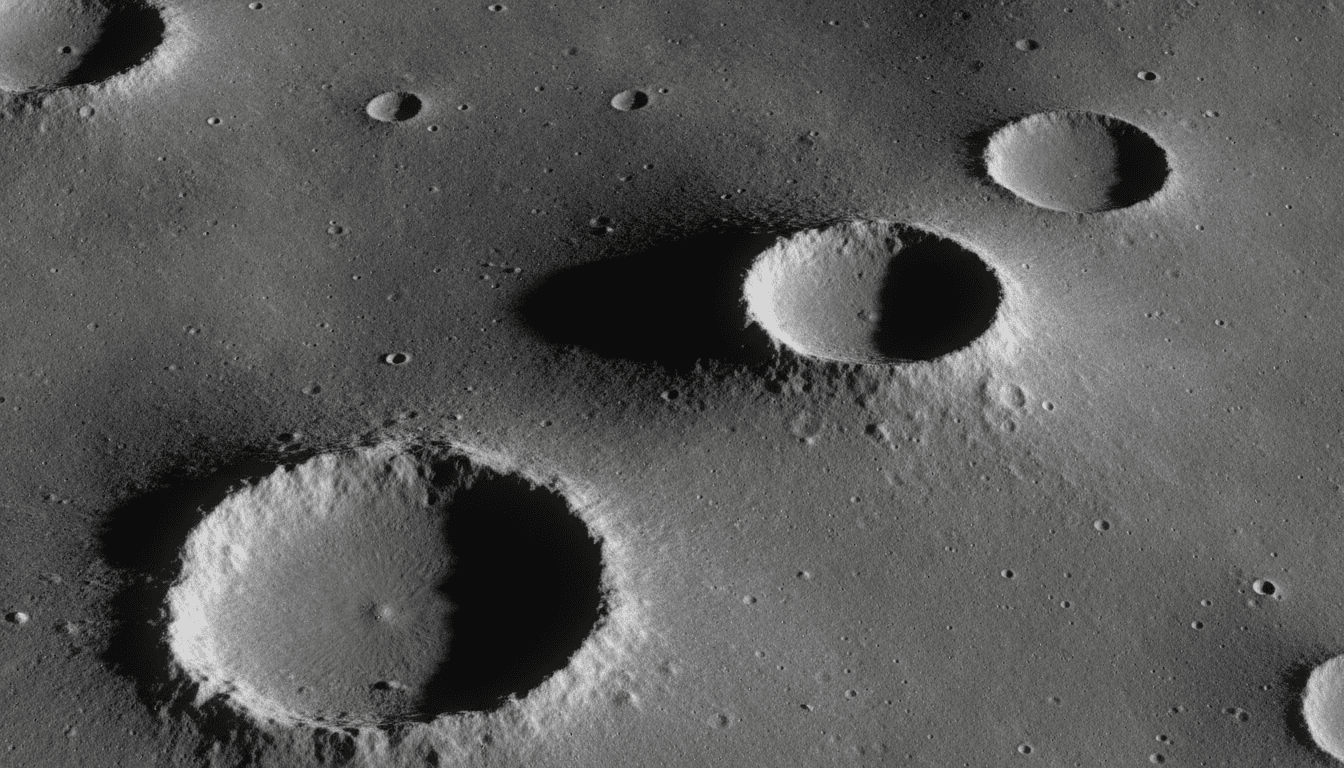
Four centuries later, spacecraft have mapped the surface down to the metre. The International Astronomical Union has kept adding names, but deliberately slowly and only where science needs a label. The naming never caught up with the mapping, and it never will.
So the Moon sits there, fully charted and almost entirely anonymous. Well over a million craters, catalogued, measured, photographed from orbit, and nameless. That gap is where this company lives.