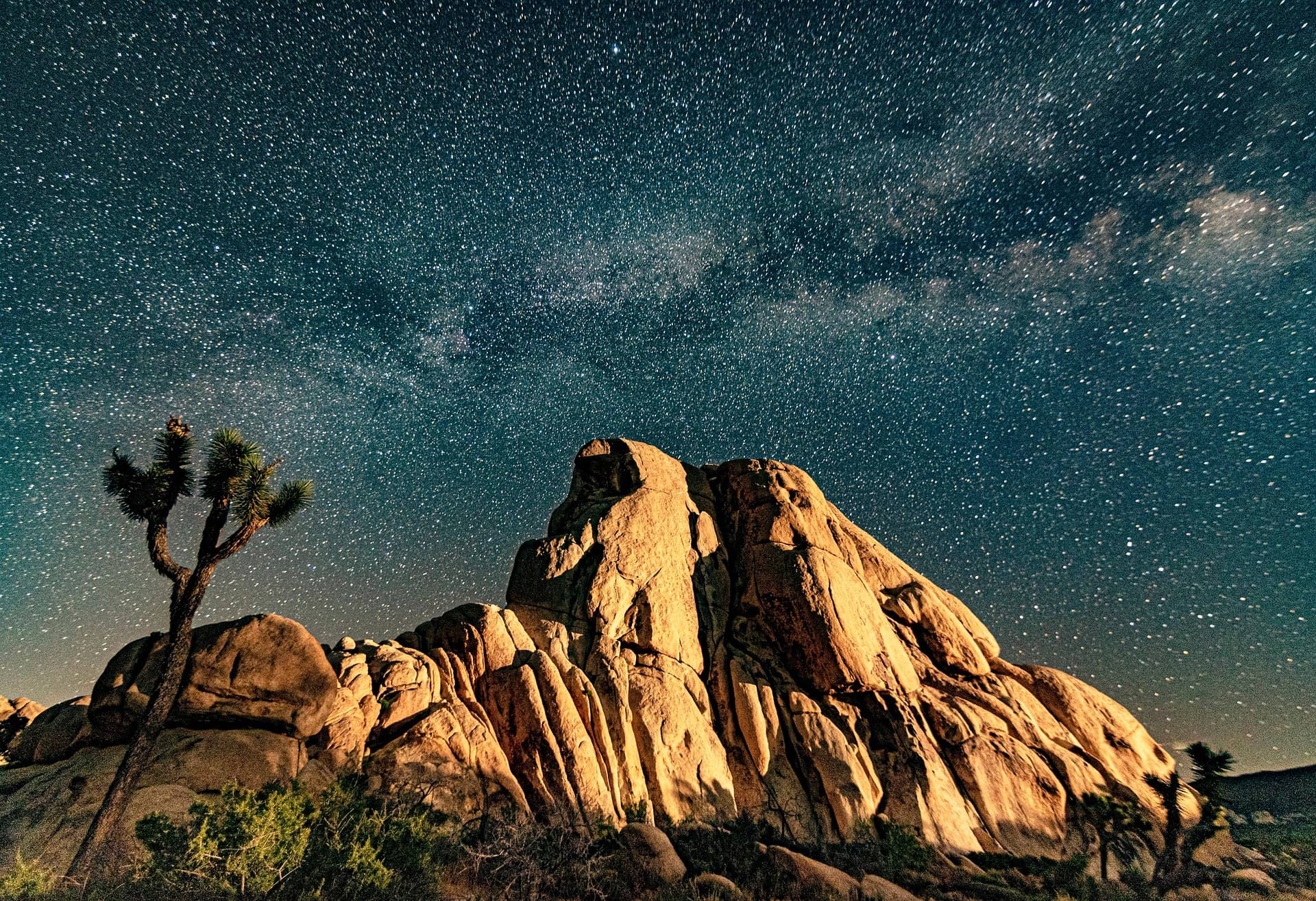
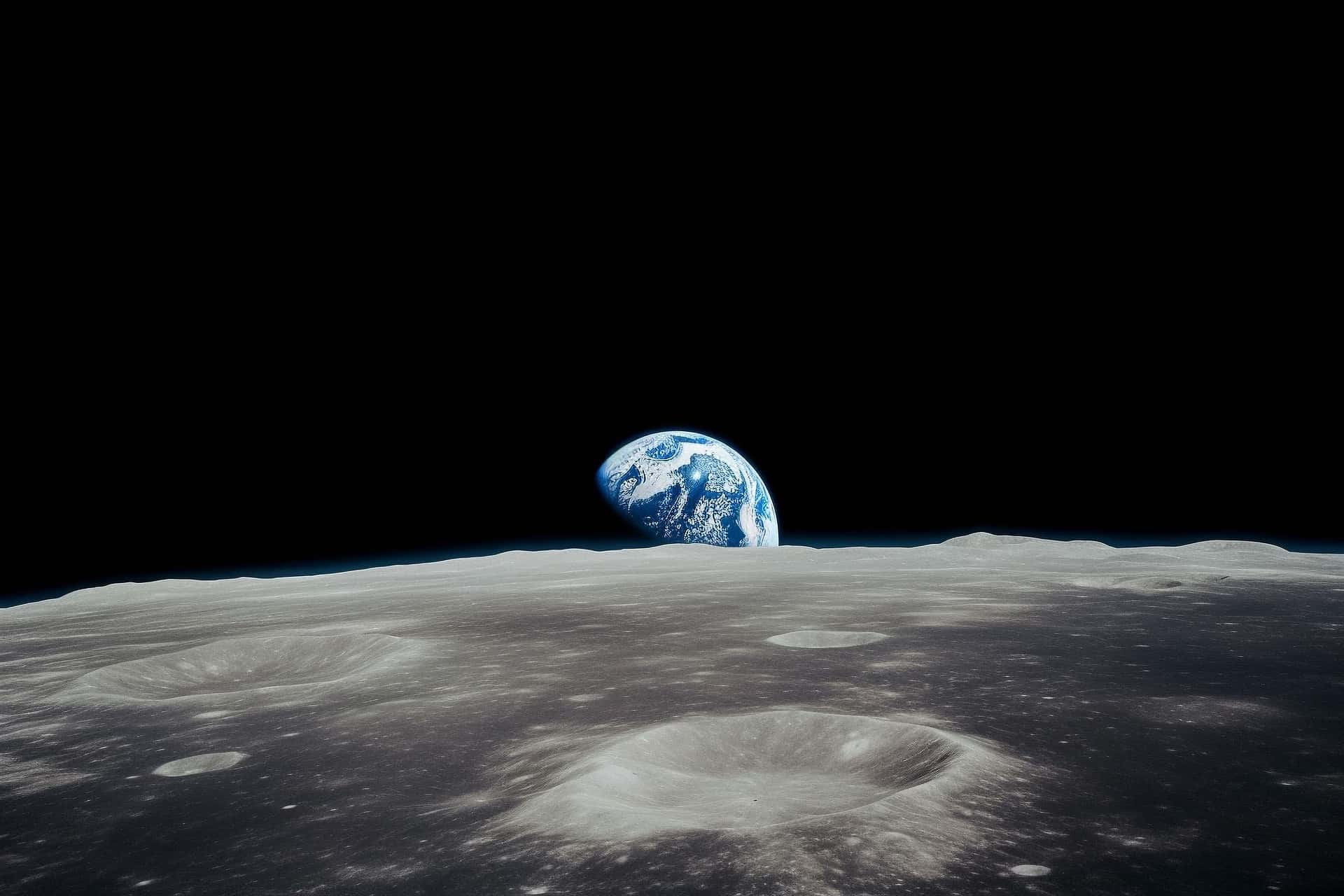
Earth rising above a cratered lunar horizon
Our mission

Protecting lunar land, one named crater at a time

The Joshua Tree Crater Company is a sister site of ExplOrbit Moon Land, a brand dedicated to the conservation and preservation of the Moon and its natural resources. Every dedication we send out exists to raise awareness of the need to protect that ground for the future of all humanity and space exploration.

A sister site of ExplOrbit Moon Land

ExplOrbit Moon Land is a brand dedicated to the conservation and preservation of the Moon and its natural resources. It exists on the belief that the Moon is not simply a resource waiting to be divided up, but a real landscape, four billion years old, that our generation is the first to be able to reach and the first with the power to permanently damage.

The Joshua Tree Crater Company is the desert arm of that work. We offer our name a crater gift packages to raise awareness for the need to protect lunar land and preserve its natural resources for the future of all humanity and space exploration. A dedication is a gift, and it is also a way of handing one person a stake in one real place up there.

Visit ExplOrbit Conservation(opens in a new tab)
Why it matters

What is actually at stake up there

The Moon has no atmosphere, no weather and no way of repairing itself. Whatever is done to its surface in the next fifty years is, for all practical purposes, permanent.

01

The Moon is a finite place

It is a single, unrepeatable landscape of about 14.6 million square miles, and every crater, rille and dust plain on it is four billion years old. Nothing up there heals. A tyre track left in lunar regolith has no wind or rain to erase it, so it stays exactly as it was made, essentially forever.

02

Its resources are already being counted

Water ice at the poles, helium-3 in the regolith, rare-earth metals and the permanently shadowed craters themselves are all now named in mining plans and national programmes. Decisions about who takes what, and what is left untouched, are being made in this decade.

03

Some ground should stay as it is

Apollo landing sites, the peaks of eternal light, the quiet far side that radio astronomy depends on, and the polar ice traps are places worth protecting on their own terms, not just as supply depots for something else.

04

Awareness comes before protection

No lunar landscape has ever been protected by a treaty the way a national park is on Earth. That changes only when enough people feel a connection to the place. Putting a name on one real crater, and learning where it sits, is how that connection starts.

Moonlit granite boulders and a Joshua tree beneath the Milky Way
Look up from the high desert and the whole argument is right there
How a dedication helps

Awareness is the first form of protection

Nobody protects a place they have never thought about. Every conservation movement on Earth began the same way, with ordinary people learning the name of a valley, a reef or a stretch of coast, and deciding it mattered to them.

A crater dedication does that work in miniature. It hands somebody real coordinates, a real diameter, a real depth and a reason to walk outside and find it. In doing so it turns an abstract grey disc into a specific place with a specific name, which is precisely the shift that has to happen at scale before lunar land is ever formally protected.

Every certificate carries its number in the ExplOrbit Conservation Coalition Registry, and every package ships with the case for lunar preservation printed alongside the viewing notes. That is the point of the gift as much as the gift itself.
Open the Lunar Atlas
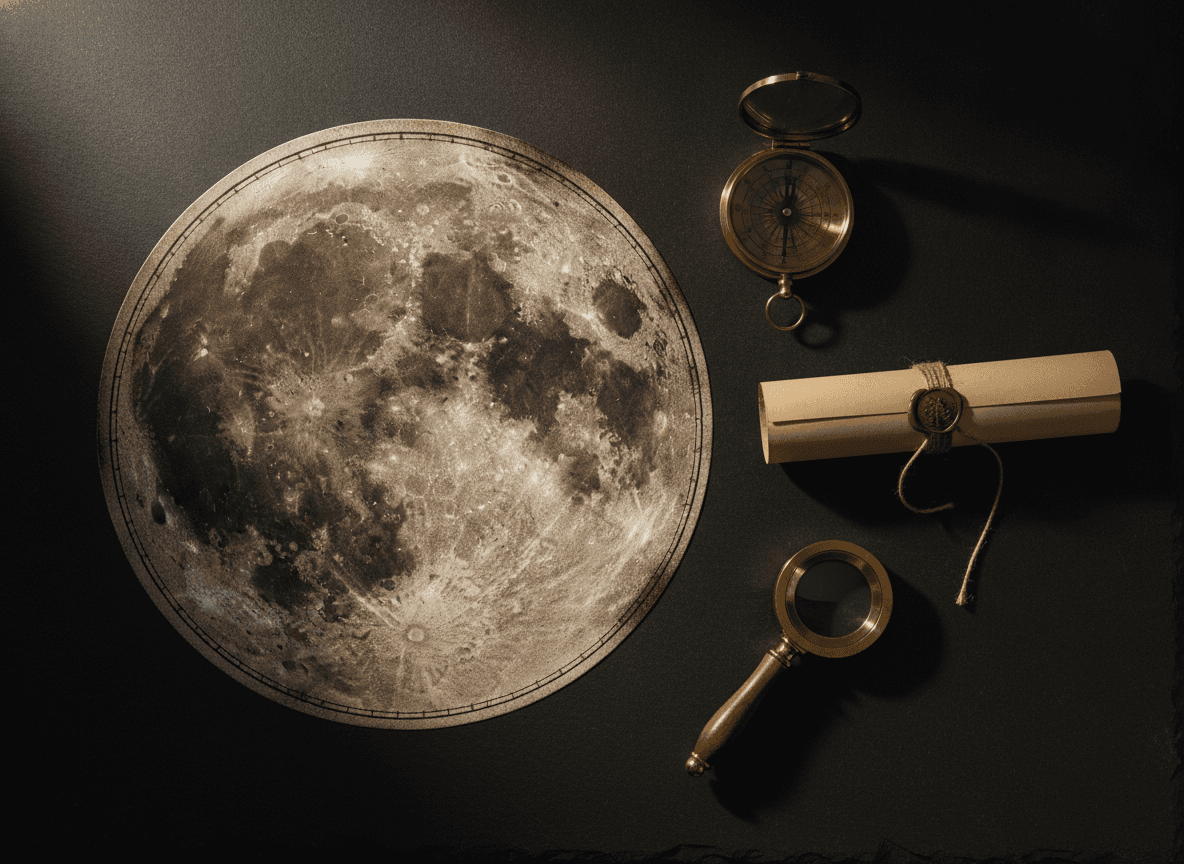
A circular lunar map print, a rolled certificate, a brass compass and a magnifier arranged on dark slate
Our commitments

What conservation means for how we operate

  • We only ever offer unnamed, uncommitted ground

    No crater that carries an official IAU name is listed, and nothing is offered twice. Once a crater is dedicated it is retired from the atlas permanently.

  • We never claim ownership of lunar land

    Nobody can sell you the Moon. Under the Outer Space Treaty no nation or company owns a square inch of it, and we would not want them to. A dedication is a symbolic commemoration and a conservation gesture, never a deed.

  • We put the case for preservation in every package

    Alongside the certificate, the star chart and the Moon Map, the field notes booklet carries the argument for why lunar land is worth protecting, so it reaches the person who receives the gift and not just the person who bought it.

  • We keep the ground itself untouched

    Nothing we do puts a single object, mark or footprint on the Moon. The conservation case is made entirely down here, on paper, from Joshua Tree.

Made with Modulify