Heritage
JTC-1644
Mare Tranquillitatis
Less than 200 kilometres from Tranquility Base, where Apollo 11 set down in July 1969. The same dark basalt that took the first human footprint.
- Coordinates
- 2.40° N, 25.80° E
- Diameter
- 3.9 km
$22View crater
More than a million craters are scattered across the Moon and fewer than sixteen hundred have ever been given a name. From the dark skies above Joshua Tree, California, we help you choose one of the rest, and put a name on it that lasts.
Six-piece gift package included · Ships from our Joshua Tree Crater Company workshop
No account, no subscription, no fine print buried anywhere. Choose the ground, name it, and we take care of the rest from Joshua Tree, California.
Explore an interactive map of the Moon’s near side. Every marker is a real, catalogued crater that has never been given a name by anyone.
Filter by lunar sea, highland or heritage ground near the Apollo landing sites. Read its coordinates, diameter and depth before you decide.
Add the name, the occasion and a short inscription. Watch the certificate compose itself, letter by letter, as you type.
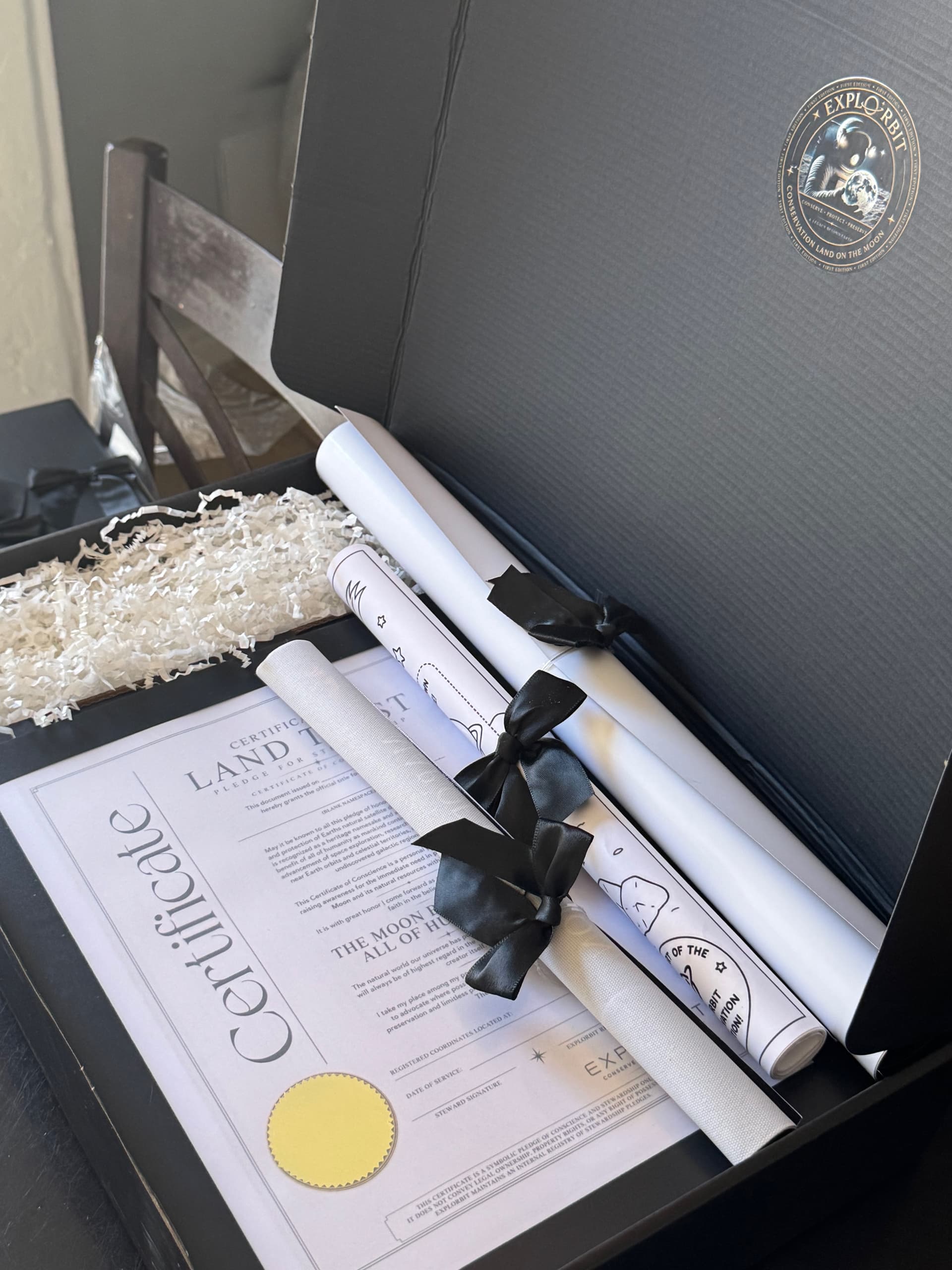
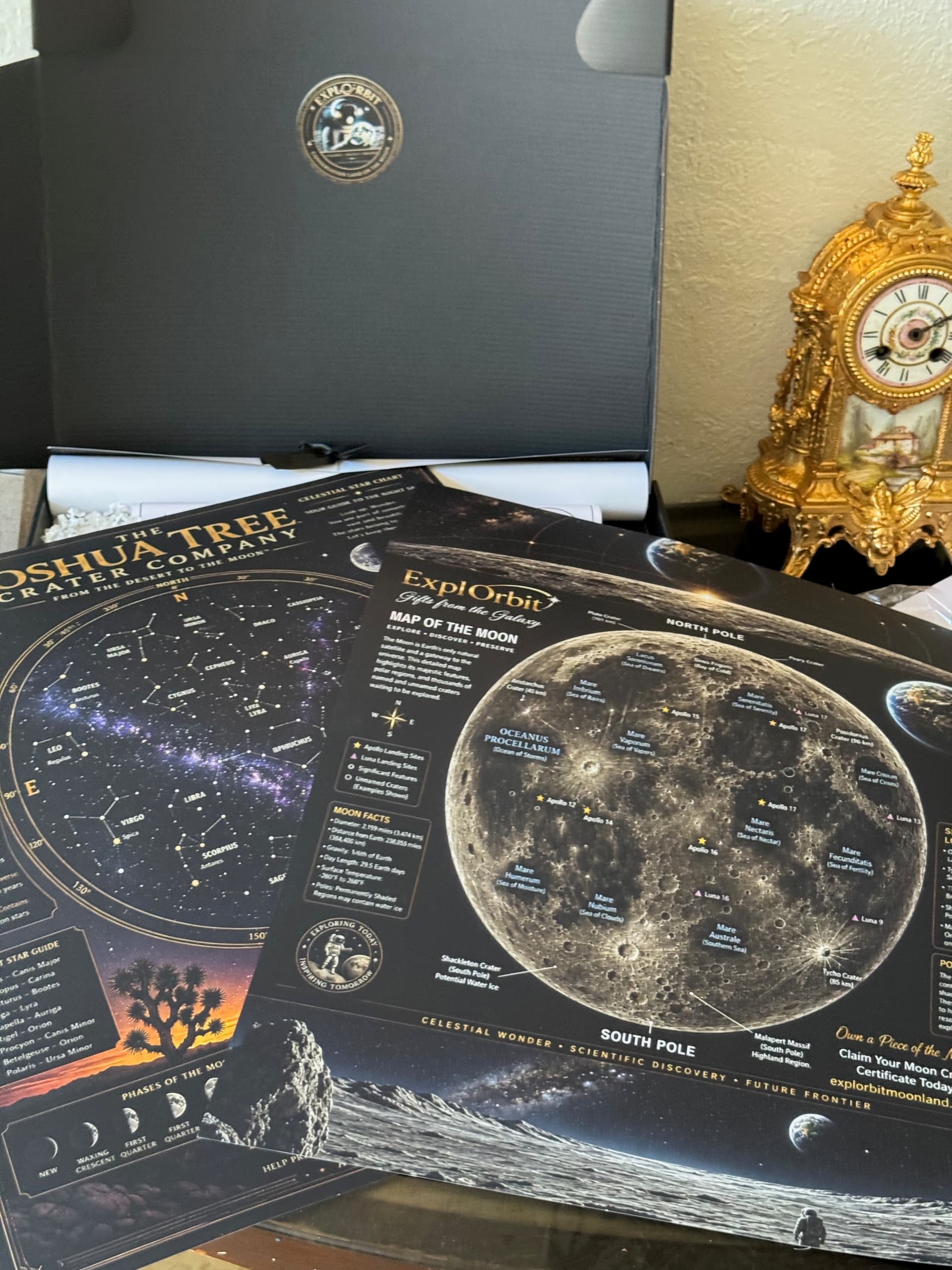
Six pieces in a black presentation box: the certificate, the star chart, the Moon Map with your crater marked, the children’s activity poster, the field notes booklet and the decal.
19 unnamed craters are open in the Joshua Tree registry tonight. Each one is retired the moment somebody names it.
Mare Tranquillitatis
Less than 200 kilometres from Tranquility Base, where Apollo 11 set down in July 1969. The same dark basalt that took the first human footprint.
Oceanus Procellarum
One of the largest unclaimed craters on the near side, wide enough to swallow a city and deep enough to hide a mountain.
Southern Highlands
Crossed by the bright rays of Tycho, the youngest large crater on the Moon, whose splash marks reach a quarter of the way around the globe.
Lacus Somniorum
In the Lake of Dreams, which carries the finest name on the near side and one of its softest, most diffuse borders.
For the person who has everything, the one who still goes outside to look up, and anyone marking something that deserves more than a card. Six printed pieces, packed by hand in Joshua Tree.
What’s included
Premium packaging
Everything arrives in a rigid black presentation box with a magnetic closure and the company seal embossed inside the lid. The posters are rolled and tied with black satin ribbon, bedded in white crinkle filler, with the certificate laid on top. It is meant to be opened in front of someone.
Personalisation
Choose the name the crater carries, up to sixty characters, so it can hold two people or a family. Add the occasion and an inscription of up to a hundred and eighty characters, and watch the certificate compose itself as you type.
$22.00
One price for every crater in the atlas.
Free shipping, posted from Joshua Tree, California
The Joshua Tree Crater Company is a sister site of ExplOrbit Moon Land(opens in a new tab), a brand dedicated to the conservation and preservation of the Moon and its natural resources. We offer our name a crater gift packages to raise awareness for the need to protect lunar land and preserve its natural resources for the future of all humanity and space exploration.
It is a single, unrepeatable landscape of about 14.6 million square miles, and every crater, rille and dust plain on it is four billion years old. Nothing up there heals. A tyre track left in lunar regolith has no wind or rain to erase it, so it stays exactly as it was made, essentially forever.
Water ice at the poles, helium-3 in the regolith, rare-earth metals and the permanently shadowed craters themselves are all now named in mining plans and national programmes. Decisions about who takes what, and what is left untouched, are being made in this decade.
Apollo landing sites, the peaks of eternal light, the quiet far side that radio astronomy depends on, and the polar ice traps are places worth protecting on their own terms, not just as supply depots for something else.
No lunar landscape has ever been protected by a treaty the way a national park is on Earth. That changes only when enough people feel a connection to the place. Putting a name on one real crater, and learning where it sits, is how that connection starts.
Before you choose, it helps to know what you are choosing from. A few numbers that surprise nearly everybody.
1,300,000+
The most complete modern survey of the Moon, built from Lunar Reconnaissance Orbiter data, catalogued over 1.3 million impact craters at least one kilometre across. Nobody has counted the smaller ones. Below a kilometre the number runs into the billions.
5,185
Twenty kilometres is about the size where a crater stops being a simple bowl and starts developing terraced walls and a central peak. There are a little over five thousand of those on the Moon.
99.8%
The International Astronomical Union has formally named roughly sixteen hundred lunar craters since Giovanni Riccioli began the modern naming convention in 1651. Set against 1.3 million catalogued craters, that means more than 99.8 percent of the Moon's craters have never been named by anyone.
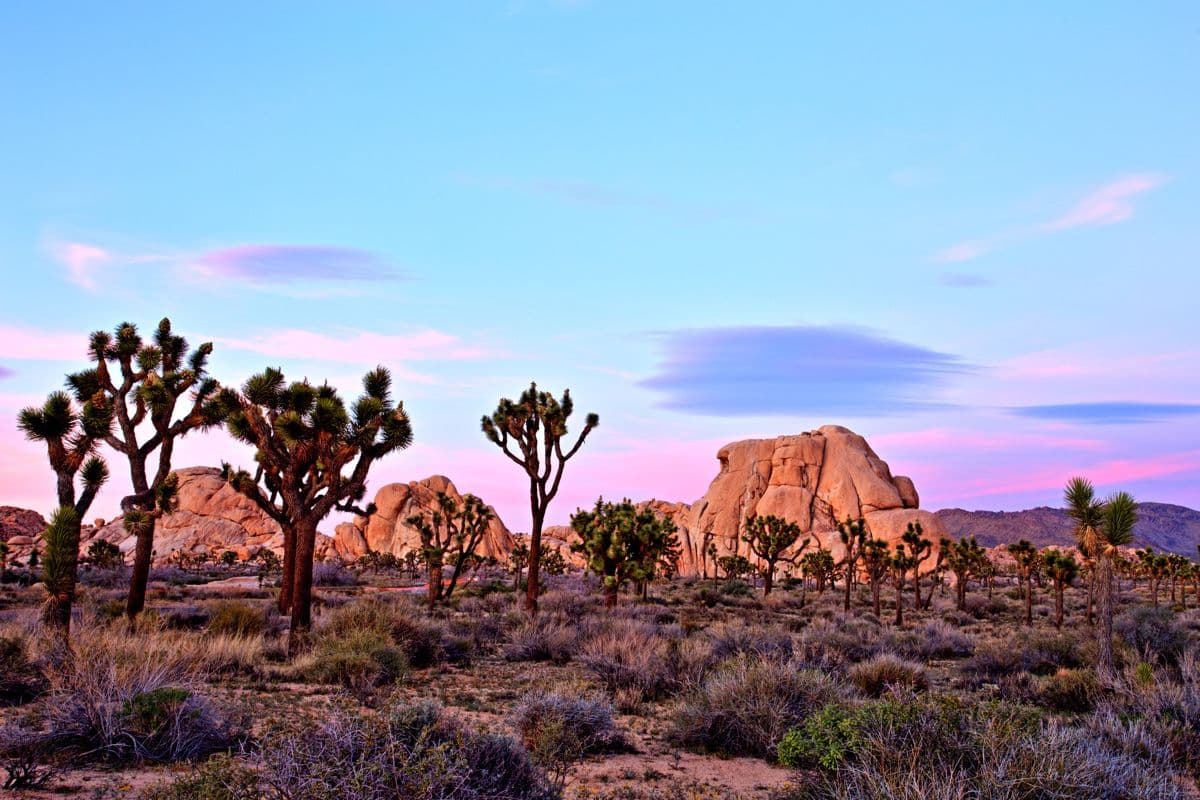
The high desert sits at the seam where two ecosystems meet, and the nearest city glow is far enough away that the sky genuinely goes black. People fly in from all over the world, drive out into the dark, turn off their headlights and wait for their eyes to adjust.
What they see is the reason this company exists. On a moonless night the Milky Way runs from horizon to horizon. And on the nights when the Moon is up, it is bright enough to read by, and close enough that its craters resolve in a pair of binoculars braced on a car roof.
We started The Joshua Tree Crater Company to answer the question that sky always raises: how do I keep this? A crater is our answer.
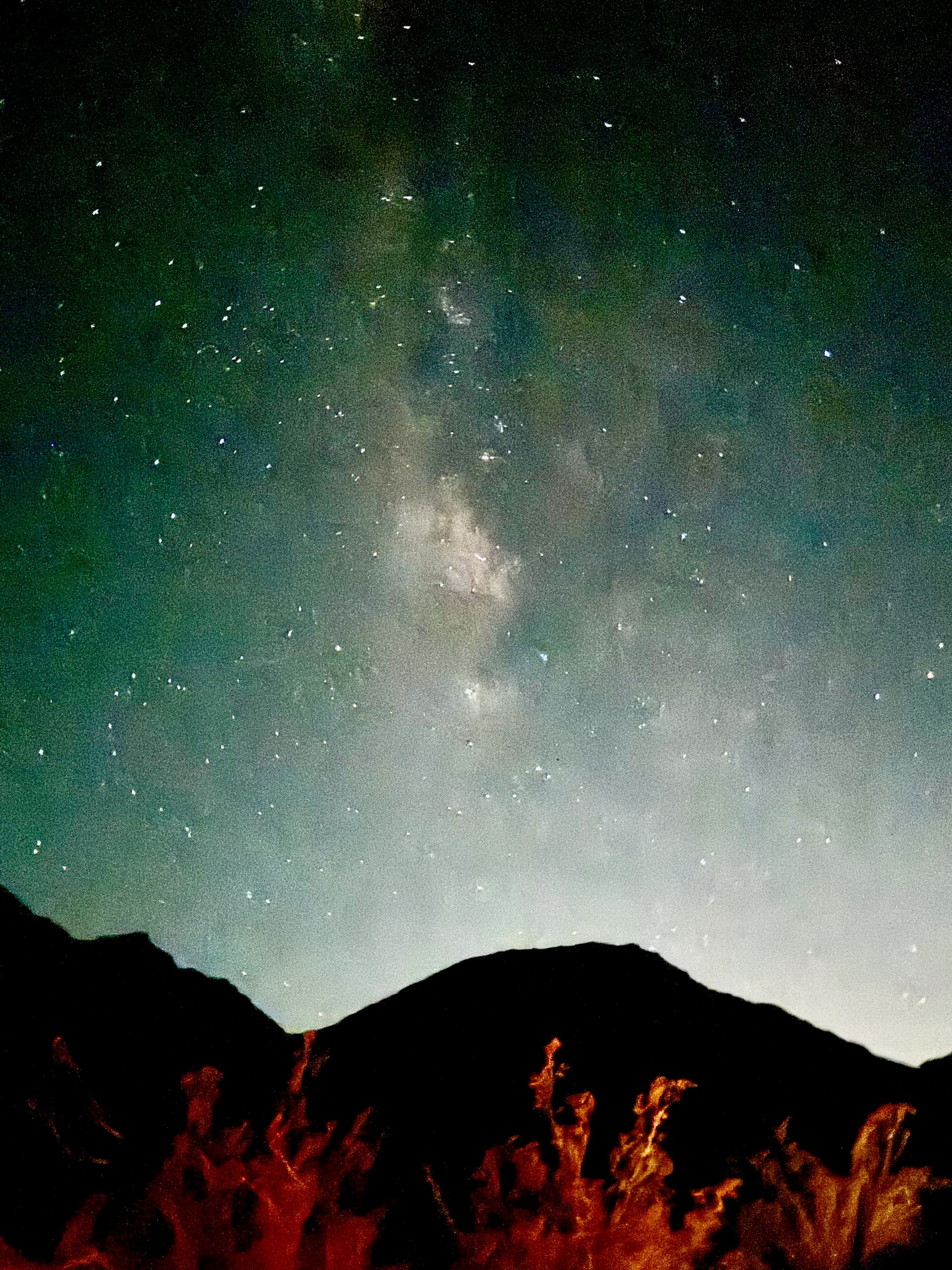
Joshua Tree, California · 34.1347° N, 116.3131° W
Minutes from the shop, and some of the finest naked-eye observing anywhere in Southern California.
Birthdays, graduations, weddings, new arrivals. Anyone marking a moment can put a real name on the Moon. Here is where people usually begin.
The gift for the person who genuinely has everything. Nobody has ever had a crater before.
A marker for the moment somebody stepped into the rest of their life. Mounted, framed, kept.
Two names on one crater, on ground that will outlast every building on Earth.
Name a crater the week a child is born and it grows up with them, hanging above the cot.
A quiet, permanent place to put a name. Something to look up at, rather than something to unwrap.
Forty years of work deserves more than a card. Give them somewhere to look at night.
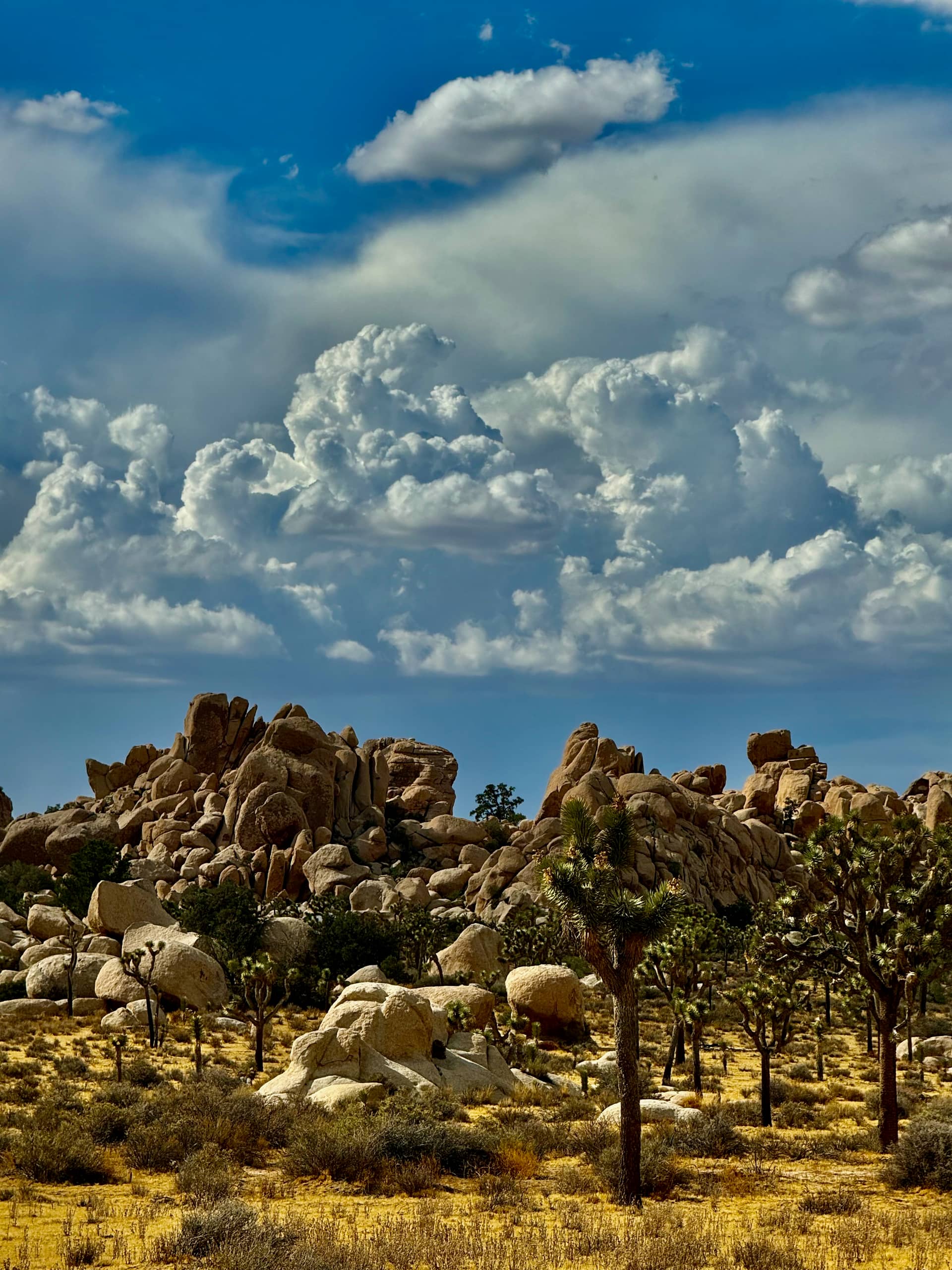
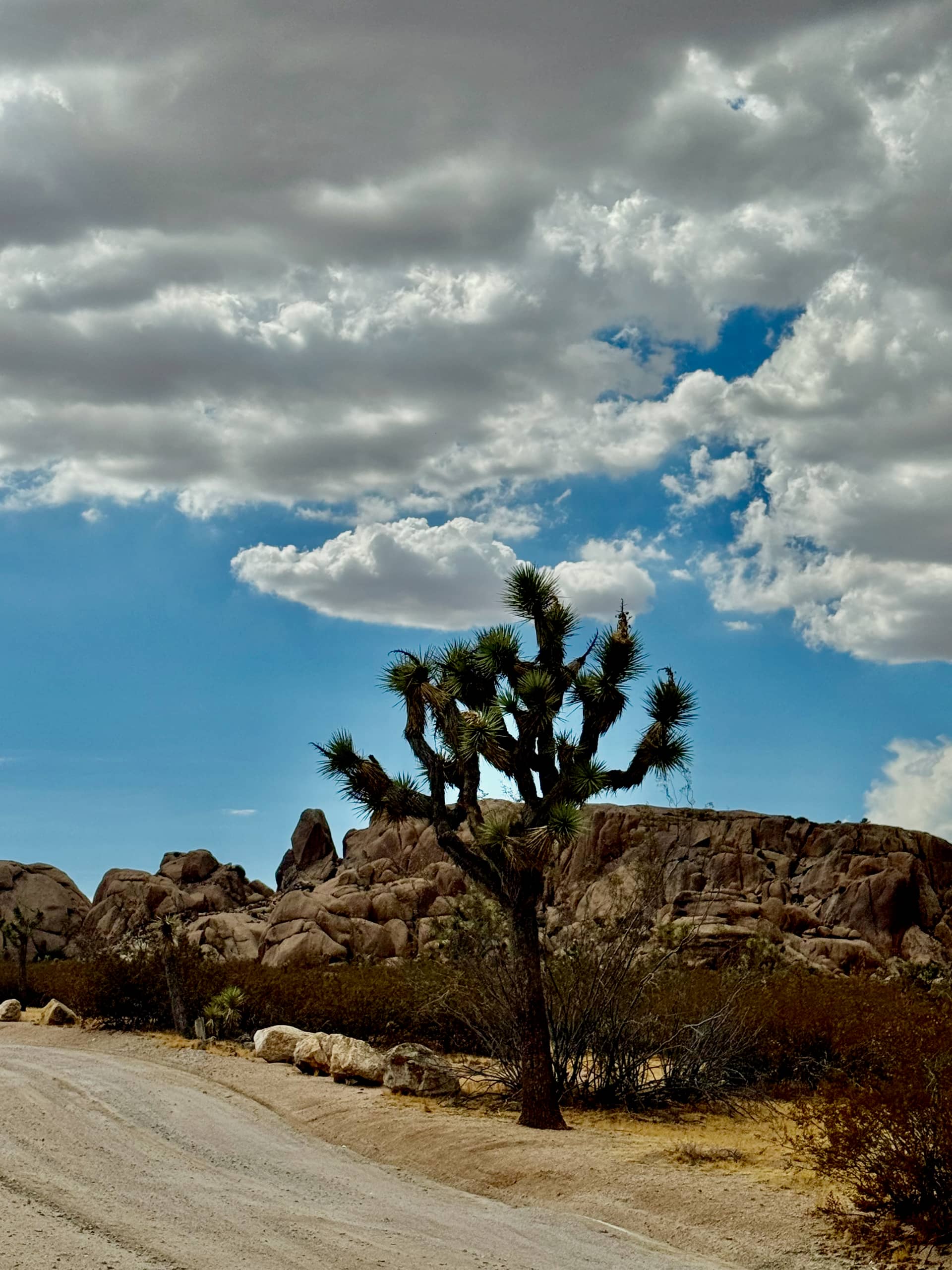
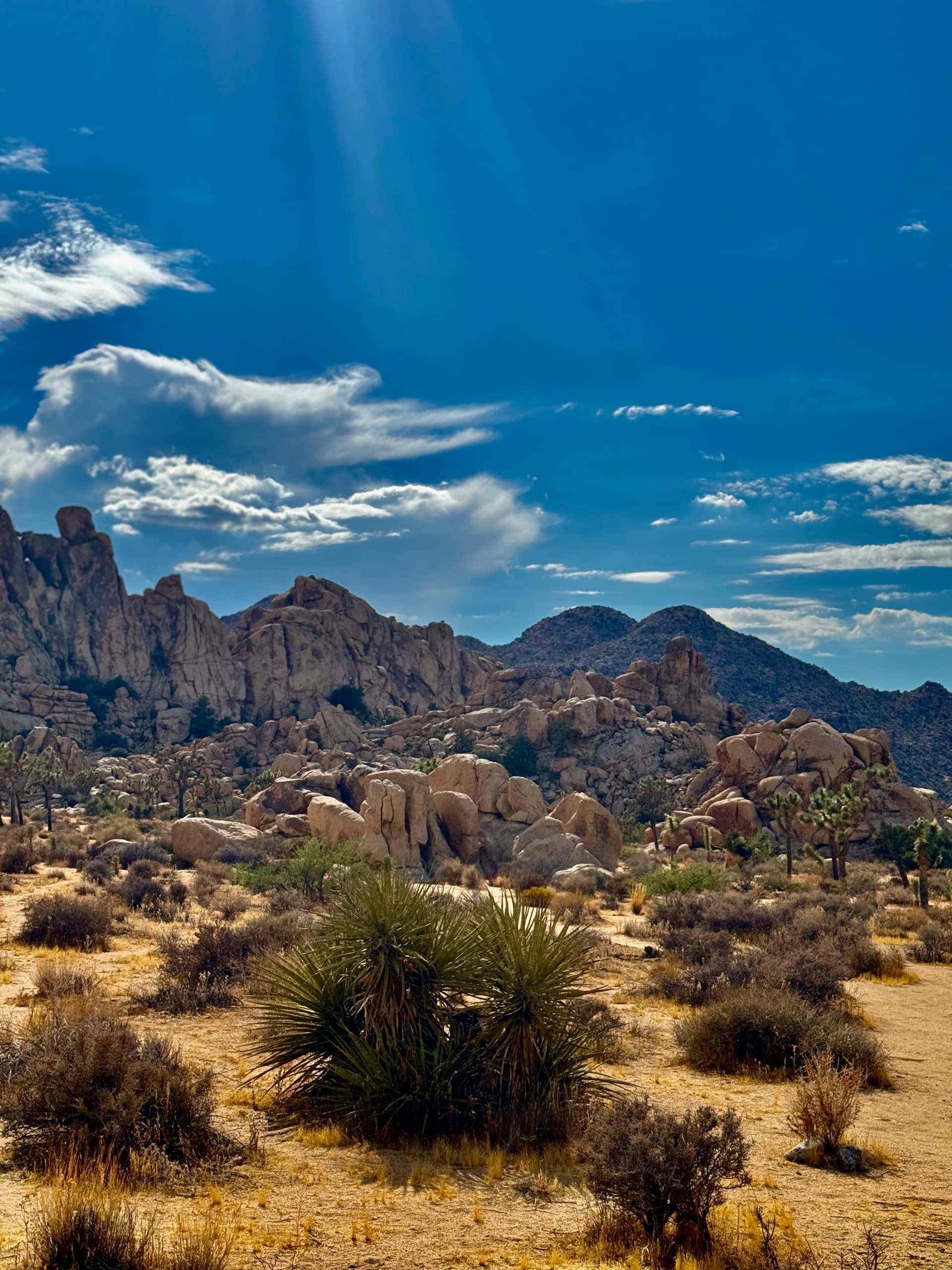
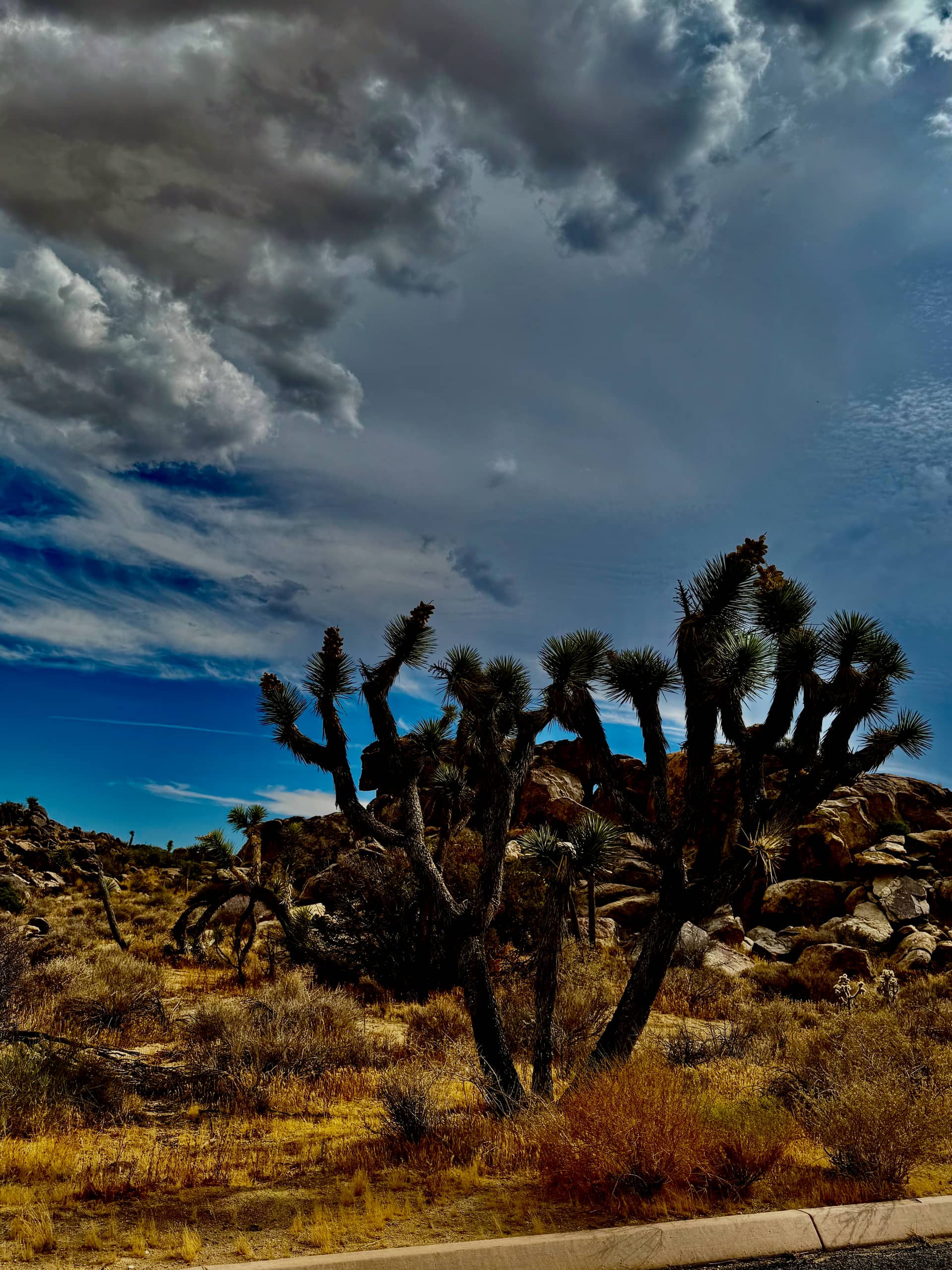
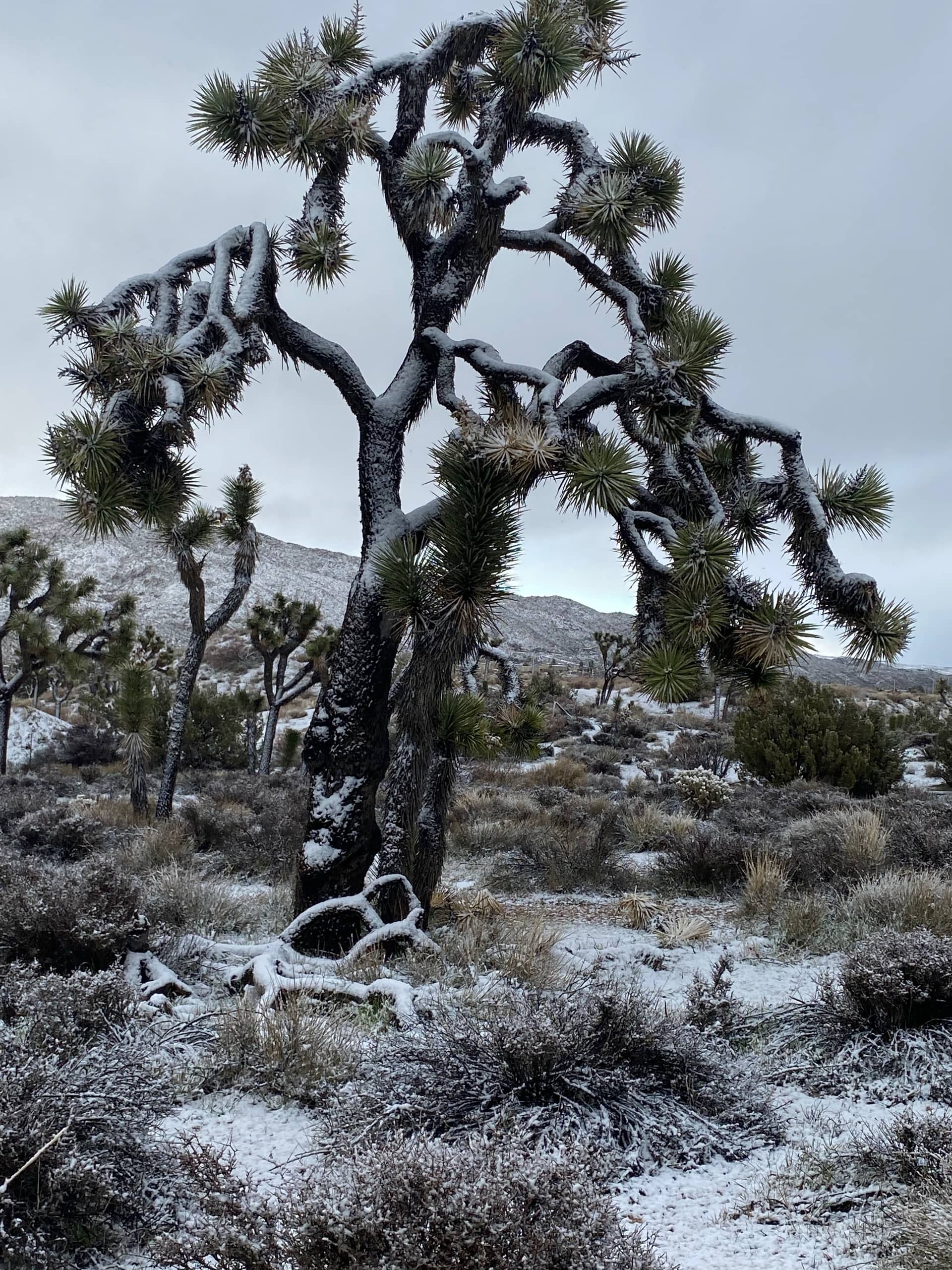
Taken around Joshua Tree, a few miles from where every certificate is printed and every box is packed.
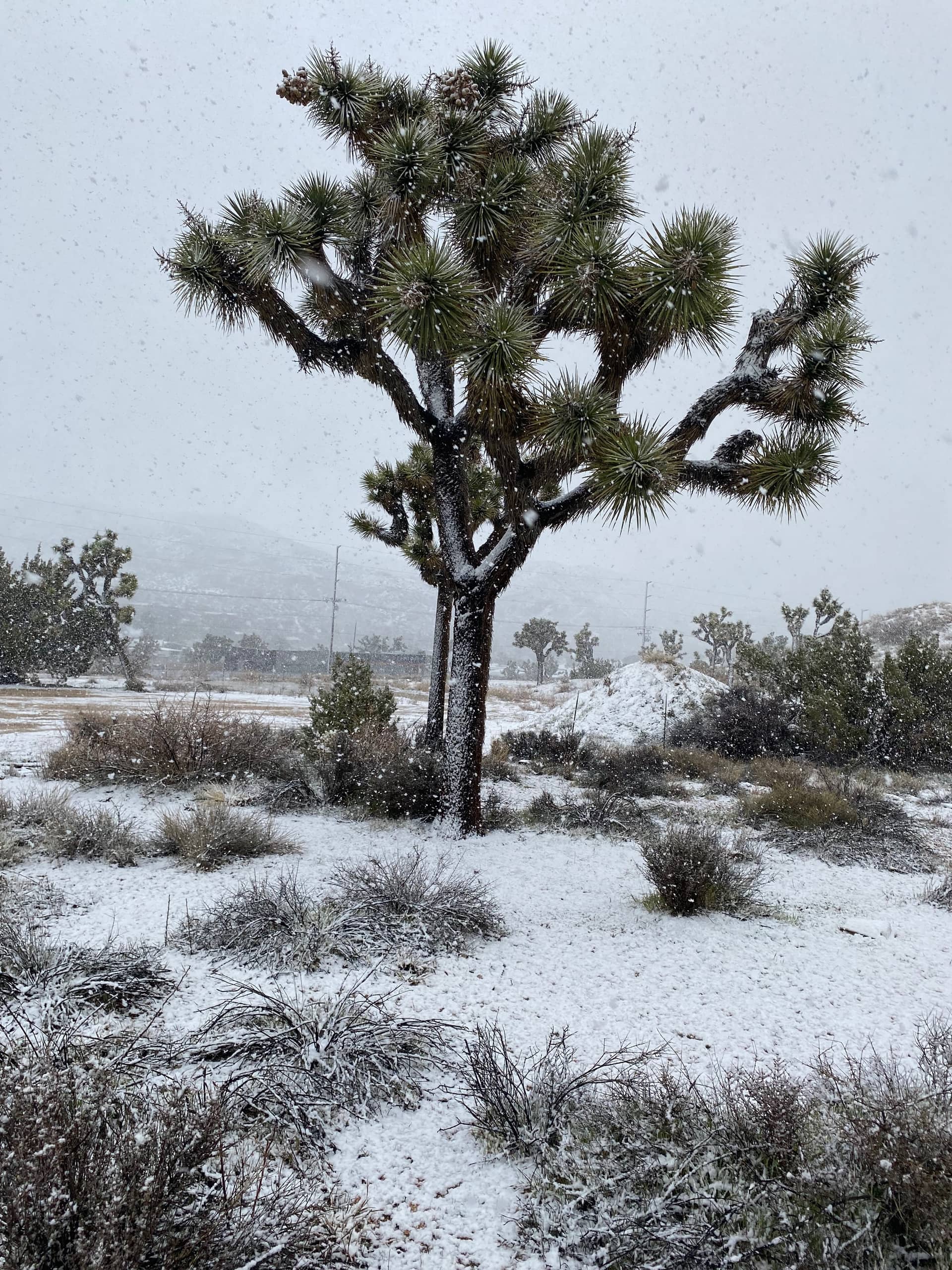
Most gifts are meant to be used up or grown out of. This one is built to do the opposite.
Flowers die, cards get recycled, most gifts are forgotten within a year. A dedication is recorded permanently in the Joshua Tree Crater Registry and pointed at real coordinates that are not going anywhere.
Every crater in our atlas is a genuine impact feature from published lunar survey data, with true selenographic coordinates, diameter and depth. It is not an illustration or an invented map.
The moment a crater is dedicated, we retire it from the catalogue for good. Nobody else, ever, can put another name on that exact spot.
Naming a crater after somebody is a way of marking that their life reached further than an ordinary gift can hold, whether that is a birthday, a marriage, a birth, or a life remembered.
Many of our craters are visible in binoculars or a small telescope on a clear night. The field notes booklet tells you which phase to look in and what to look for, so the person you gave it to can go outside and point at it.
Pick one, put a name on it, and it comes off the list for good. The whole thing takes about six minutes and arrives in the post within the week.