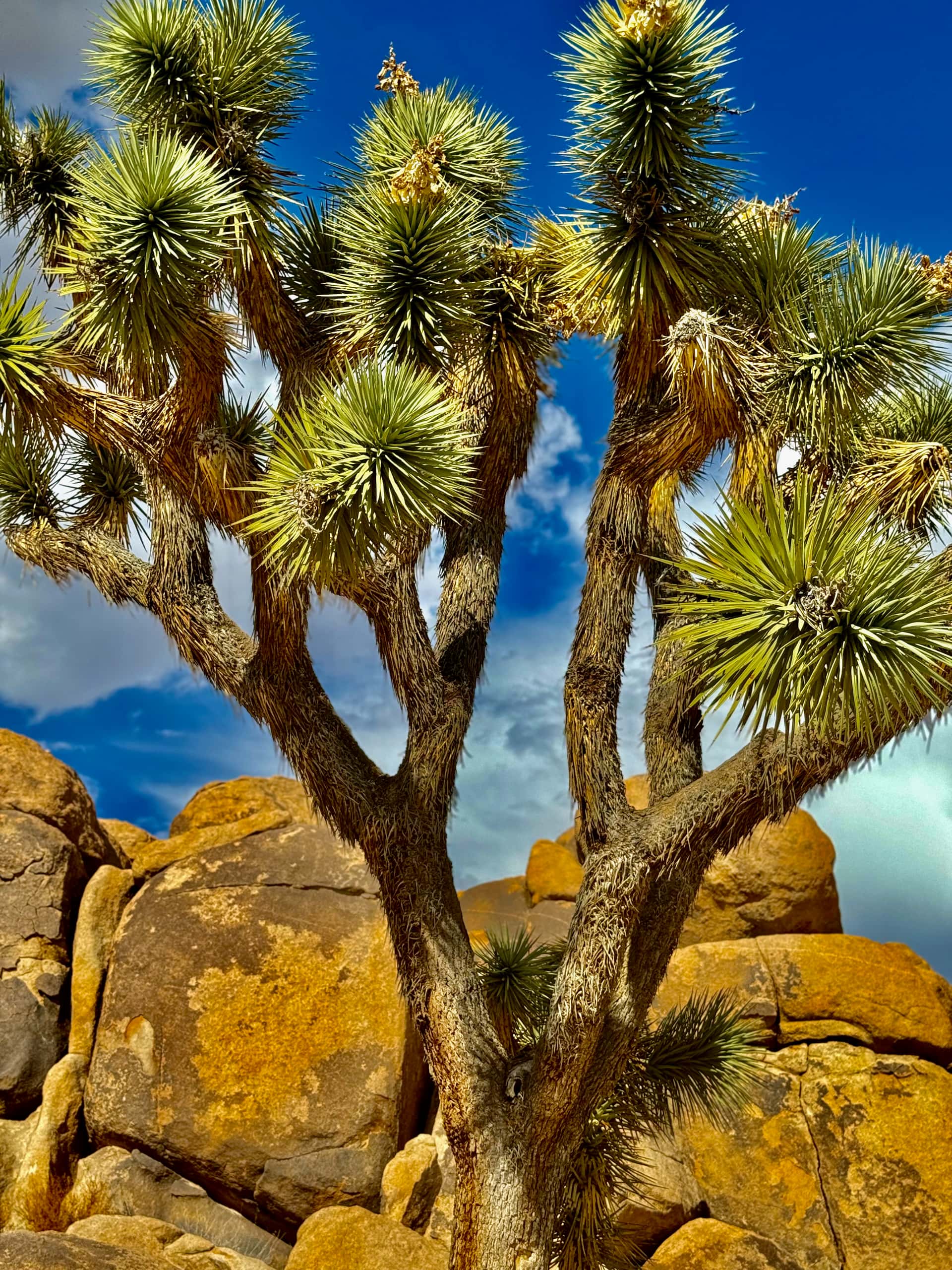
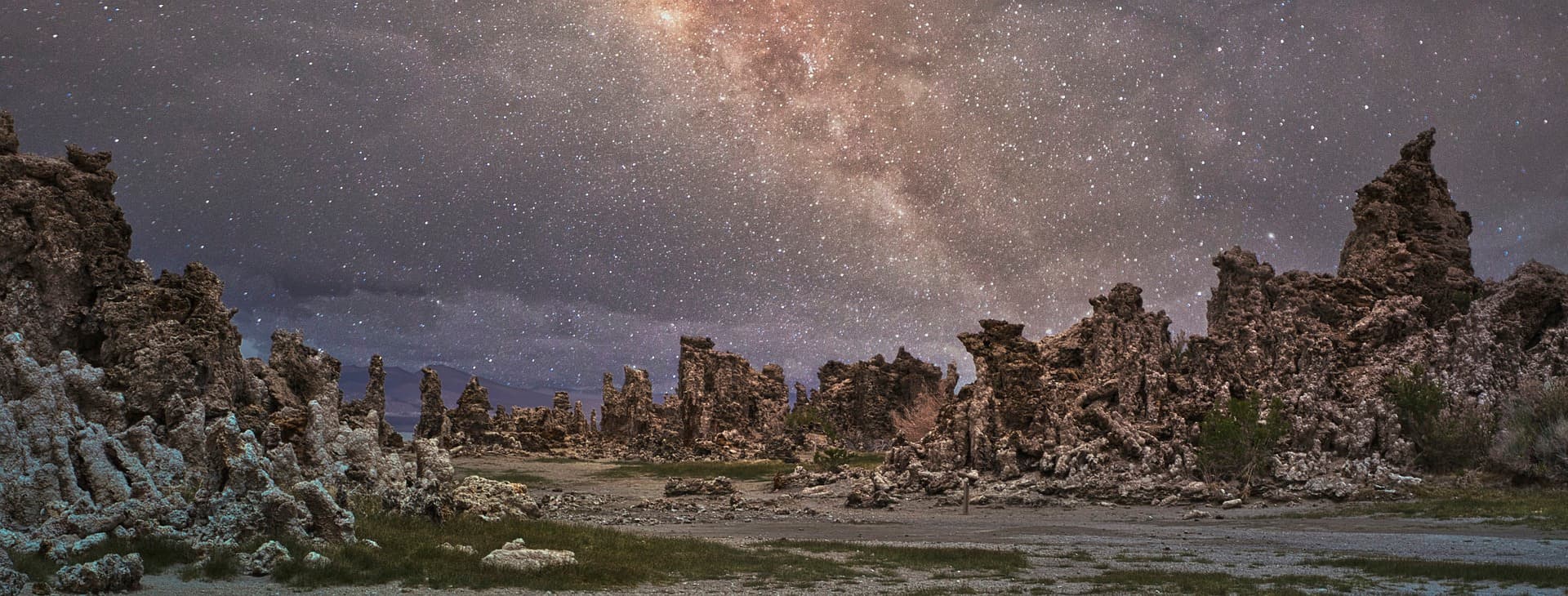
Every clear night, people drive out into the Joshua Tree desert, kill their headlights, and wait. Forty minutes later the sky has filled in and somebody always says the same thing: I did not know there was this much up there.
Then, on the way back to the car, comes the second question. How do I keep this? People have tried photographs and postcards and fridge magnets, and none of it holds. What they actually want is to belong to it somehow.
We looked at what was already on offer and did not much like it. The star-naming business has spent forty years implying an officialdom it does not have, and the certificates are usually printed on something you would not frame. It seemed obvious that you could do the same idea properly: pick something real, be straight about what the gift is, and make the object itself genuinely good.
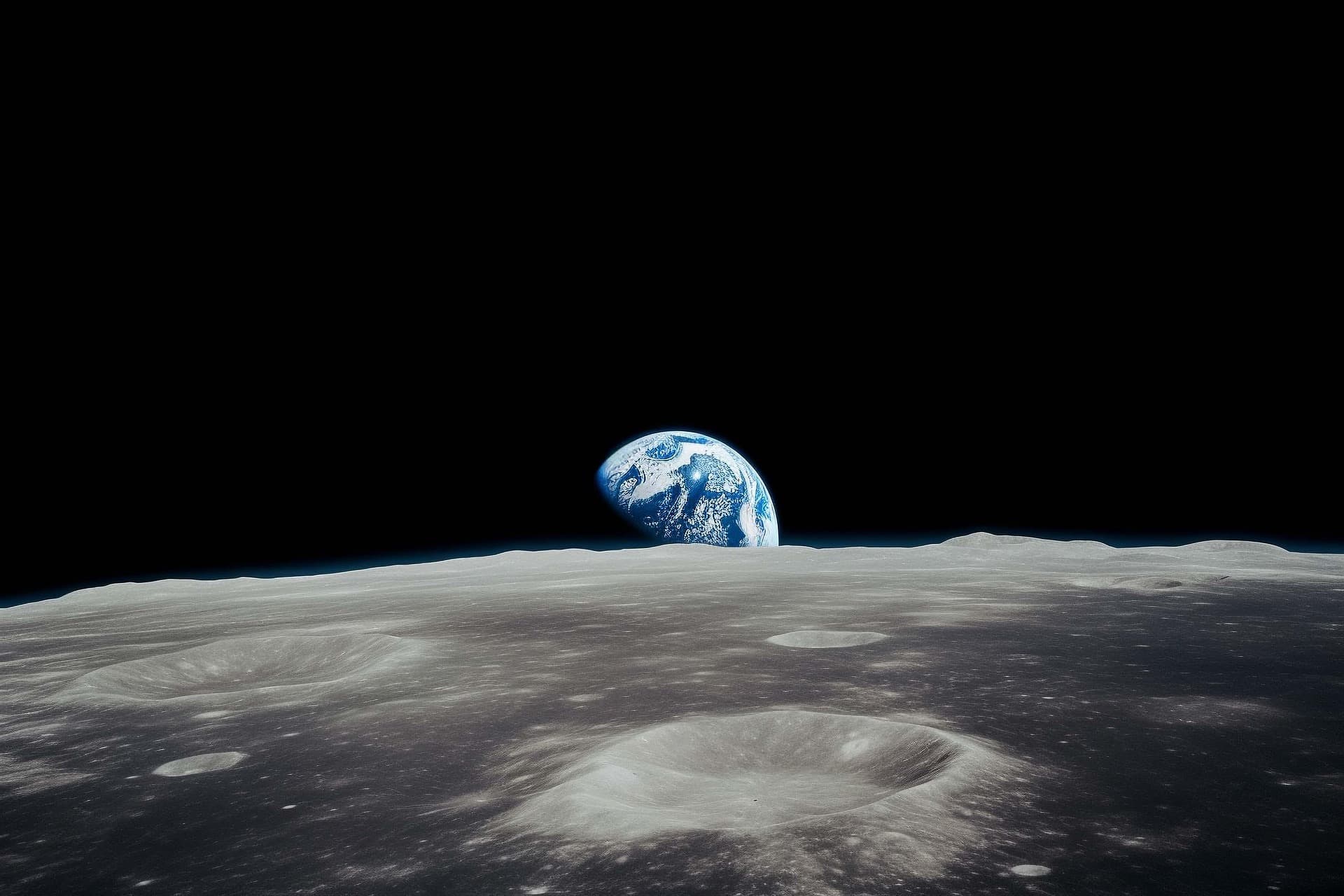
Craters turned out to be the perfect subject. There are more than 1.3 million of them wider than a kilometre, catalogued in fine detail by orbiting spacecraft, and only around sixteen hundred have ever been given a name. The Moon is almost completely mapped and almost completely anonymous. Nobody is going to run out.
So we built the atlas, wrote the field notes for every entry, found a printer who understood cotton stock, and opened the doors. The certificates go out from our Joshua Tree Crater Company workshop, California, under the same sky the craters sit in.